Hi, I'm Marlon — Director of Information Systems & Infrastructure at the Annenberg School for Communication at the University of Pennsylvania. With over 25 years of experience in IT, I specialize in designing and delivering enterprise-grade infrastructure solutions both on-premise and in the cloud.
As a Solutions Architect and Systems Engineer, I lead cloud transformation initiatives, next-generation platform modernization, and infrastructure architecture for the School — bridging technical execution with strategic vision to ensure systems are secure, scalable, and built for the future.
Lead a team of IT professionals developing and maintaining secured infrastructure on-prem and in the cloud. Drive next-generation platform adoption and DevOps practices. Liaison for ISC on all infrastructure and systems initiatives.
Architected next-generation hyper-converged infrastructure. Led cloud transformation and business continuity strategy using hybrid cloud. Designed enterprise private cloud with VMware Horizon.
Managed IT infrastructure including SAN/NAS storage, HyperV and VMware ESXi virtualization, and Windows domain, file, print, and infrastructure services.
Moving ASC AD (JANUS) to ISC Kite AD for consolidation and better security posture.
Transforming hosted WordPress to Elastic Beanstalk with CloudFront. Migrating repos to BitBucket with PennKey SSO. Moving select sites to Pantheon.
Shifting VPN auth to PennKey SSO with SSLVPN Web Access on Fortinet using Penn KITE Domain and Grouper Integration.
Designing Grouper group workflows for all ASC apps. Dynamically generated from Penn Community with instant or granular deprovisioning.
Transitioning to CloudFormation and Terraform with remote state on S3 and DynamoDB. Code maintained in Bitbucket with role-based access.
Replacing all WS2012 instances — KMS, SMTP, SQL, Print, DFS, DHCP HA, and Active Directory — ahead of EOL.
Deploying BPLogix No-Code/Low-Code platform to replace legacy .NET apps with PennKey SSO and Grouper Groups integration.
Established DFS Replication for Local Servers and synced to Azure via VPN IPSec Tunnel. Used Cohesity for Backup and DR and established RPO and RTO.
Hardware refresh to Nutanix HyperConverged Infrastructure as primary server hosting production VMs running on VMware, resulting in Project Genesis and Project Exodus.
Moved email system from OnPrem hosted Exchange Server 2013 to O365 and utilized DUO Circle as our SMTP Routing, which also filters spam and phishing before reaching our O365 mailbox.
Modernized our Backup Strategy by consolidating Physical (Netbackup) and Virtual Backup (Veeam) to Cohesity, removing fragmentation.
Established a VPN Tunnel to Azure and used robocopy to sync data to a File Server hosted in Azure for offsite copy as part of the DR Strategy.
Removed TMG firewall for VLAN100 and VLAN101 and added interface to Fortinet Firewall to use a single firewall for all VLANs.
Upgraded 3 Windows File Servers with Multiple Shares that consist of Home Directory and other Departmental Shares from Server 2008 to Server 2012 R2.
Did not renew our Proofpoint subscription and utilized Exchange Online Protection to filter email before it reaches our locally hosted Exchange Server.
Implemented high availability DHCP that allows two servers to share and synchronize IP for redundancy.
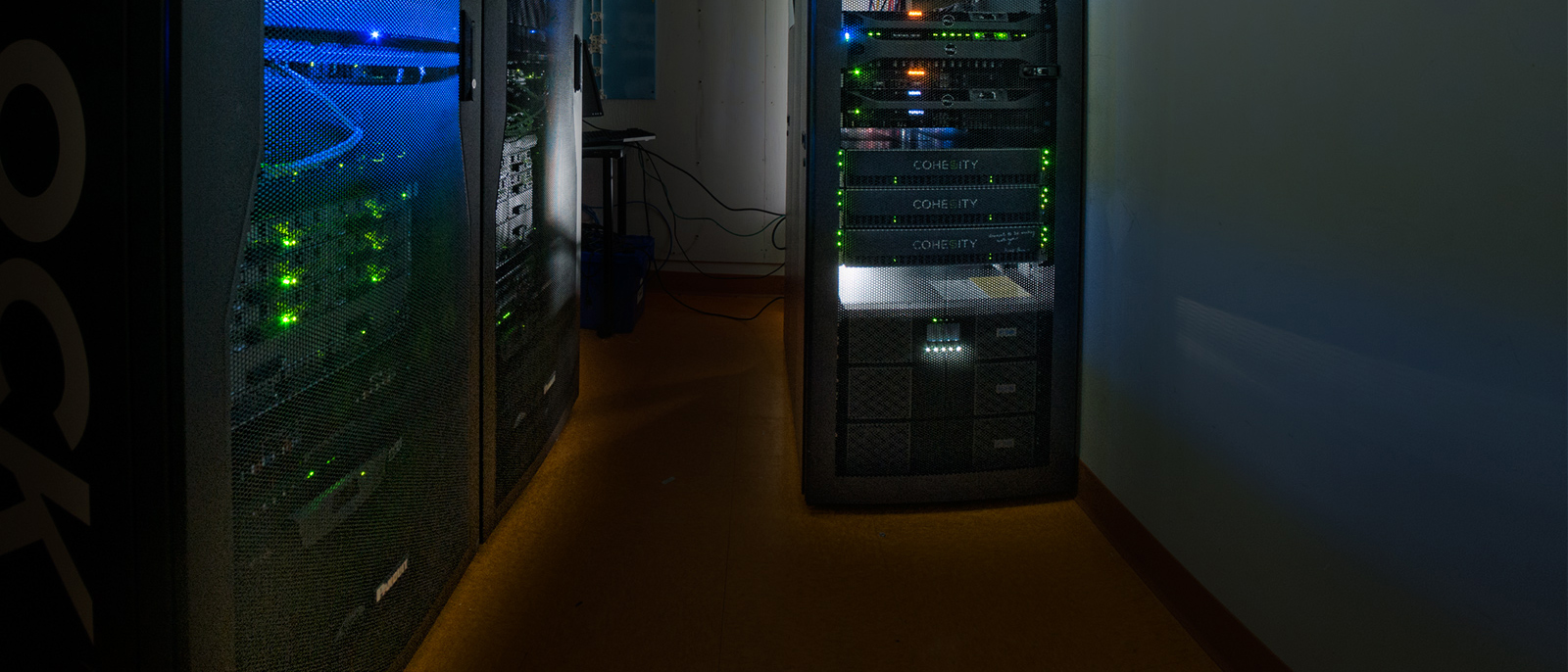
Designed and managed site-to-site VPN connectivity for secure inter-building network communications.
Planned, designed, and executed migration to Fortinet NGFW with application awareness, IPS, and cloud threat intelligence.
Replaced Symantec Endpoint Protection with CrowdStrike enterprise-wide via GPO and PowerShell automation.
Migrated from VBlock to Nutanix HCI, reducing server room footprint and improving operational efficiency.

Migrated to Horizon 7 on Nutanix with Unified Access Gateway and Dynamic Environment Manager.
Consolidated all backup workloads, migrated SMB shares to Cohesity with DFS, and enabled immutable DR backup.